
This page explains Matsuda Mulville’s responsible business practices. It covers our purpose, pricing, stakeholder approach, environmental choices and professional standards.
Peter Mulville leads Matsuda Mulville. He is a B Corp Consultant trained by B Lab and has more than 30 years of professional experience. As a result, our advice combines commercial realism with social, environmental and governance considerations.
We help organisations remain successful while they prevent, reduce and, where possible, repair social and environmental harm. Above all, we believe responsible business practices should be practical, affordable and measurable.
Our responsible business aims
Our long-term aim is to help businesses understand and improve their effects on people, communities, governance systems and the natural environment.
Where business activity causes harm, reducing future harm is only a first step. Organisations should also examine the cause, prevent recurrence and support restoration where evidence justifies it.
However, Matsuda Mulville does not claim that one consultancy can solve systemic problems. Instead, we help clients make better decisions, improve management systems and take proportionate action within their influence.
Our principal aims are to:
- help businesses remain viable and create lasting value
- improve fair and accountable governance
- reduce negative social and environmental impacts
- encourage evidence-based impact measurement
- make responsible business practices more accessible
- help smaller organisations take part in ESG and sustainability improvement
- support practical progress rather than image-led claims
- promote continuous improvement alongside commercial success
Responsible business practices and commercial success
More than 30 years of experience has taught Peter that business success comes first. Without a viable business, an organisation cannot retain people, serve customers or sustain positive impact.
Yet financial performance is not the only measure of success. A business should not transfer avoidable costs, risks or harm to workers, customers, communities, suppliers, public institutions or the environment.
Therefore, our advice is pragmatic rather than ideological. We recommend actions that suit the organisation, protect commercial viability and produce credible results.
When objectives conflict, we examine the trade-offs, evidence and stakeholder effects. We then help the client choose a proportionate course of action.
Responsible business practices across seven B Corp Impact Topics
Current B Corp standards organise company impact through seven Impact Topics:
- Purpose & Stakeholder Governance: defining a meaningful purpose and considering stakeholders in decisions.
- Climate Action: measuring climate impacts and taking credible steps to reduce emissions.
- Human Rights: identifying, preventing and addressing adverse human-rights impacts.
- Fair Work: supporting fair treatment, appropriate pay, worker voice and good-quality work.
- Justice, Equity, Diversity & Inclusion: supporting inclusion and fairer outcomes.
- Environmental Stewardship & Circularity: using resources responsibly and supporting circular systems.
- Government Affairs & Collective Action: acting responsibly in public affairs and contributing to wider solutions.
These topics shape our professional thinking. However, this page does not claim that B Lab has assessed or verified Matsuda Mulville.
Fairness and stakeholder governance
For Matsuda Mulville, fairness means considering the effects of decisions on people and the environment. It also means explaining material information clearly and avoiding unnecessary burdens.
Fairness does not require identical prices, services or outcomes. Each engagement has different needs, risks and responsibilities. Consequently, we use relevant criteria and explain our decisions where appropriate.
Fairness also works both ways. We act reasonably and transparently with clients. In return, we expect honest communication, timely information, respect for agreed boundaries and payment within the agreed terms.
Stakeholders we consider
Our responsible business practices consider the principal stakeholder groups used in the B Corp Certification stakeholder-governance model:
- workers
- customers
- communities
- the environment
- shareholders
Depending on the decision, we may also consider suppliers, contractors, collaborators and public institutions. Stakeholder interests can conflict, so we assess material effects and explain our reasoning where appropriate.
Our responsible business practices and B Lab standards
Peter is a B Corp Consultant trained by B Lab. He supports businesses that prepare for B Corp Certification and applies that knowledge to Matsuda Mulville’s own operations.
Accordingly, we use relevant B Corp principles when they suit the consultancy’s scale and activities. We review social, environmental and governance effects rather than treating financial return as the only consideration.
Peter’s training does not allow him to award or verify B Corp Certification. It also does not make Matsuda Mulville a Certified B Corporation.
Our B Corp Certification status
Becoming a Certified B Corporation is a long-term aim for Matsuda Mulville. At present, however, certification is not an appropriate or proportionate action for a consultancy of our size and professional activities.
We review this position periodically. If the business changes materially, we will reconsider certification.
Matsuda Mulville is not a Certified B Corporation. B Lab has not independently verified our responsible business practices through the certification process.
Affordable responsible business support
Our business model aims to make ESG, sustainability and impact support more accessible. We would rather help more organisations improve than allow professional fees to create an avoidable barrier.
Therefore, affordability forms part of our intended social impact. It does not signal lower standards, limited experience or poor service.
We do not force every engagement into a standard fixed-fee package. Instead, we agree a proportionate scope and fee based on the work, complexity, responsibilities and client circumstances.
Where suitable, we may adjust the scope, timetable or delivery method. This flexibility can reduce cost without lowering the professional standard of the work.
Nevertheless, fair fees must support professional independence, current knowledge, secure systems and reliable service. Affordability does not require Matsuda Mulville to accept an unsustainable engagement.
Pro bono and reduced-fee support
Matsuda Mulville may consider pro bono or reduced-fee support where a credible social or environmental case exists. Available capacity, stakeholder benefit, urgency and fairness to existing clients will guide the decision.
Such arrangements remain discretionary. They still require a clear scope, agreed responsibilities and professional co-operation.
Responsible business practices, economic access and living costs
High professional fees can exclude smaller businesses, social enterprises and community organisations from useful support. Our pricing model aims to reduce that barrier where it remains commercially sustainable.
Matsuda Mulville cannot control wider inflation or solve economy-wide living-cost pressures. However, we can avoid adding unnecessary costs and can consider the pressures that clients and communities face.
Our approach reflects dignity, fairness and economic inclusion. These principles align with the broader purpose of B Lab’s Fair Work standards, although living-wage requirements concern worker pay rather than consultancy fees.
Affordability and professional value
We reject the assumption that a higher price always proves greater expertise or better service. Price alone does not demonstrate professional value.
Instead, affordability reflects our deliberate choice to control overheads and focus spending on useful work. Clients pay for knowledge, judgement, care and practical outcomes.
Organisations that automatically equate affordability with poor quality may not suit our approach. Responsible business practices should recognise the financial barriers that smaller organisations face.
For that reason, we avoid unnecessary presentations, premium offices, costly vehicles and status-driven expenditure. We do not expect clients to fund conspicuous signs of corporate expense.

Low-impact responsible business practices
Matsuda Mulville uses a deliberately lean operating model. This approach helps us control fees and reduce unnecessary consumption.
Where practical, we:
- reduce consumption before recycling or disposal
- reuse, repair, recycle and repurpose equipment and materials
- keep technology in use while it remains secure and reliable
- resist unnecessary replacement driven by fashion or aggressive marketing
- avoid premature obsolescence through careful purchasing and maintenance
- use public transport and lower-impact travel where practical
- avoid unnecessary vehicle ownership and status-driven travel costs
- use proportionate communication arrangements
- avoid fast fashion and unnecessary clothing purchases
- limit printing, packaging and disposable materials
- avoid unnecessary offices and image-led corporate expenditure
- consider environmental and social effects when purchasing
- use credible alternatives to dominant technology platforms where suitable
Even so, older equipment must remain secure, accessible and reliable. Client confidentiality and software support take priority where continued use would create risk.
We do not claim perfect environmental performance. Instead, we aim to reduce avoidable impacts and improve our decisions over time.
Client service and responsible business practices
We aim to give clients:
- clear information about the service and its limits
- a proportionate scope of work
- transparent fees and material conditions
- pragmatic advice that reflects commercial realities
- honest explanations of uncertainty and evidence gaps
- appropriate protection for confidential information
- a reasonable way to ask questions or raise concerns
- corrections when we provide materially inaccurate information
We cannot guarantee B Corp Certification, ESG ratings, funding or regulatory outcomes. Independent organisations make those decisions.
Instead, we help clients understand requirements, develop evidence and improve their practices. We also avoid recommending elaborate programmes when a focused approach should work better.
Suppliers, contractors and collaborators
We agree material terms before substantive work begins. We also aim to pay valid invoices within the agreed period.
Matsuda Mulville does not ask freelancers or contributors to complete substantial unpaid work merely to compete for paid work.
When purchasing, we consider durability, repairability, accessibility, labour conditions, environmental impact and value. However, not every purchase can satisfy every preference.
Responsible image use and attribution
We use photographs, illustrations and other creative work only when we believe we have a suitable licence, permission or lawful basis.
Where the creator’s identity is available, we aim to give credit even when the licence does not require it. This responsible business practice recognises creative work and supports fairness.
For Pixabay images, a credit will normally name the contributor and link to the contributor’s profile or original image page.
How image attribution appears
Image by Contributor name from Pixabay.
For several minor images, a page-level image-credits section may work better.
Commercial independence and responsible marketing
We disclose paid promotions, sponsorships, affiliate arrangements and material referral relationships when they could affect a client’s understanding.
Commercial relationships do not determine our professional conclusions. If we cannot manage a conflict fairly, we may decline or end the engagement.
Moreover, we will not recommend unnecessary software, subscriptions or services merely because a commercial partner may benefit.
Evidence, public claims and responsible business practices
We distinguish facts from client-supplied information, estimates, interpretations, objectives and opinions.
Material ESG and impact claims should use evidence that matches their significance. Where evidence remains incomplete, we explain the limitation rather than present an ambition as an achievement.
In addition, we aim to avoid greenwashing, social washing and exaggerated claims. We do not imply independent verification when none exists.
Matsuda Mulville does not describe itself as a Certified B Corporation.
Who our responsible business approach suits
Our services suit organisations that value substance, openness, proportionality, commercial realism and measurable improvement.
We work best with clients who consider evidence, limitations and stakeholder interests. By contrast, we may not suit organisations that want an image-led corporate experience or unnecessary presentation materials.
Likewise, we are unlikely to suit an organisation that seeks only a badge, score or public claim. Credible progress requires a willingness to examine practices and address material impacts.
Continuous improvement in our responsible business practices
This page describes our current aims and operating approach. It does not claim that we have achieved every objective.
We periodically review:
- whether pricing remains fair and sustainable
- whether affordability helps suitable organisations access support
- whether pro bono work remains proportionate to our capacity
- how travel, technology and purchasing affect our footprint
- whether suppliers remain appropriate
- whether public statements remain accurate
- whether our B Corp Certification knowledge remains current
- whether changes make B Corp Certification more appropriate for us
Overall, we favour continuous improvement over claims of perfection. If a practice does not work, we review it and make a proportionate change.
We will not call Matsuda Mulville net positive, regenerative or carbon neutral without clear definitions and adequate evidence.
Questions, concerns and corrections
You can raise a concern through our contact page. Please identify the relevant page, statement, decision or engagement.
We will consider whether the issue requires a response, correction or change in practice. Raising a reasonable concern will not affect access to our services.
Responsibility and review
Peter reviews these commitments for Matsuda Mulville at least once each year. He will also review them after a material change to the consultancy’s services, structure or activities.
This page does not replace our contracts, privacy notice, professional obligations or applicable law.
Last reviewed:
Further information
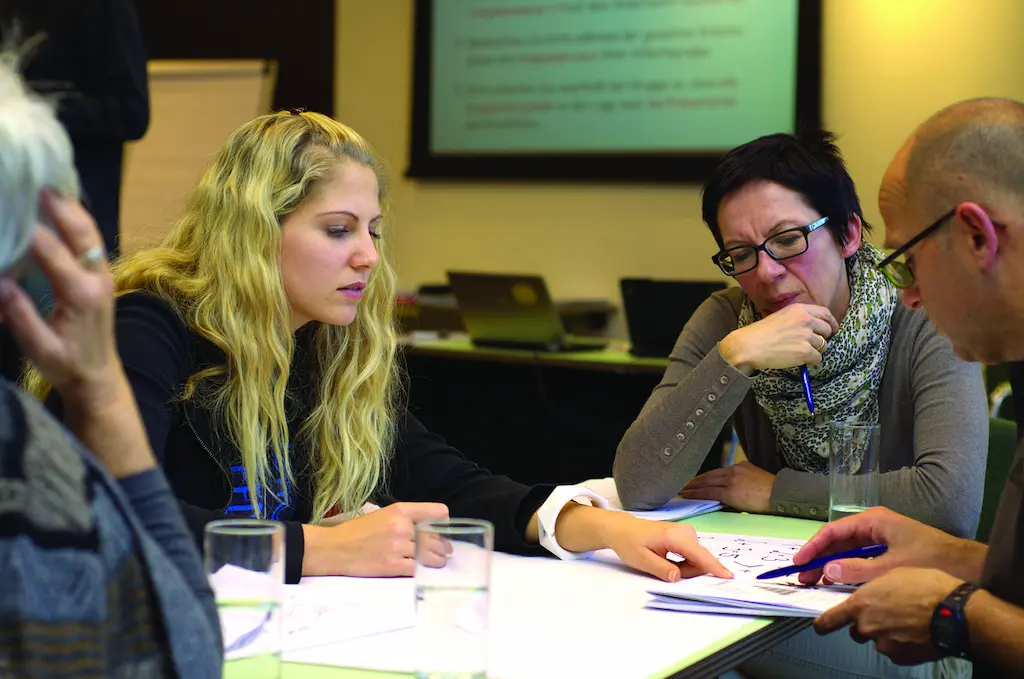
Featured Image by unknown photographer from Pixabay